


-
 Accueil
>
Accueil
>
- Destins du Nord >
- Roger Salengro

Roger Salengro
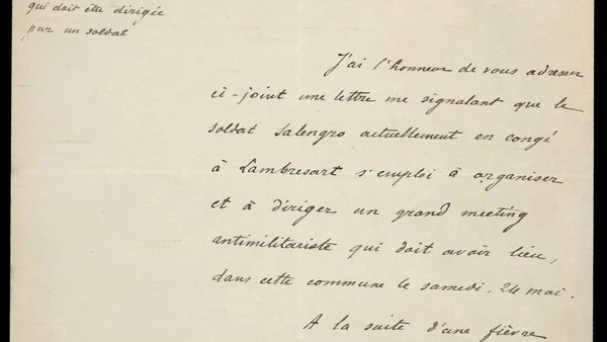
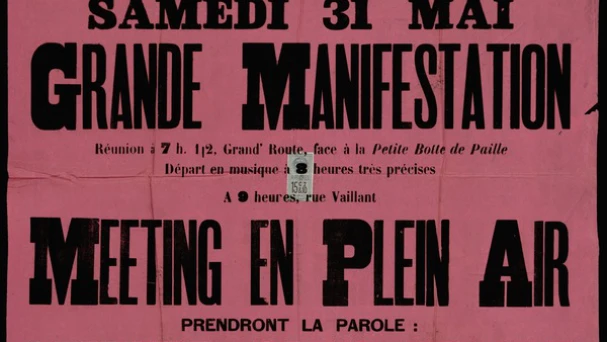
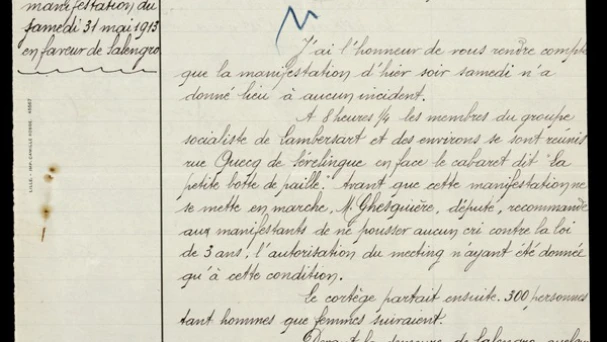
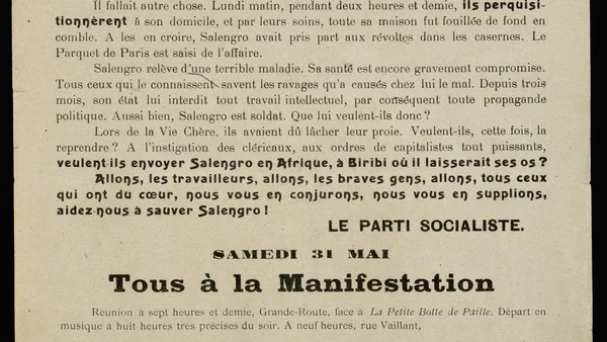
Born in Lille on 30 May 1890, he first lived in Dunkirk and then studied at the Lycée Faidherbe and later at the Faculty of Literature in Lille. He started his military service in 1912. His name appeared on ’Carnet B’, a list of known radicals and antimilitarists, for having taken part in a protest against the 1913 law restoring a three-year term of military service (the ’Loi des trois ans’).
He was arrested on 2 August 1914 at the orders of the Prefect of the Nord Department and was detained for several weeks before being permitted to join his unit. He fought in Artois and Champagne. In 1915, he was evacuated as being unfit, but managed to secure his return to the front line..
On 7 October 1915, he entered no-man’s land to retrieve the body of a comrade. There, he was taken prisoner. He was interned in Bavière, and was later transferred to a detention barracks in Prussia for having incited his fellow-prisoners to refuse to work for the Germans.
Suspected of desertion in France, he was acquitted by the War Council on 20 January 1916.
In 1925, he succeeded Gustave Delory as Mayor of Lille, where he continued the town’s reconstruction and modernisation efforts. He was elected a Deputy in 1928, 1932 and 1936. He then became Minister for Home Affairs in the Front Populaire government. He dissolved the far-right leagues and led the negotiations which culminated in the Matignon Agreements.
He then became the target of a virulent press campaign which re-ignited suspicions of desertion during the Great War. He was yet again cleared by a commission chaired by General Gamelin.
Severely affected by the experience of his deportation to Germany and suffering from nervous depression, he took his own life in the night of 17 to 18 November 1936.