


-
 Accueil
>
Accueil
>
- 1914, the terrible year >
- Atrocities, violences, refugees >
- German atrocities


Voir le PDF complet sous ce lien : http://collections.citebd.org/lestroiscouleurs/revues_pdf/CIBDI_6067_1915_01_21.pdf
German atrocities
The Schlieffen’s plan to invade France provided for a rapid war. To avoid fighting on two fronts, in the east and in the west, the war had to be won in the west before the Russian army really entered the campaign. Such a necessity required Belgium’s neutrality to be violated, which led to Britain entering the war.
Belgium, which was staunchly defended by imposing military fortifications, resisted the invasion with bravery. The German attack plan was seriously hindered, causing both added military pressure on the troops fighting and uncontrolled civilian fear.
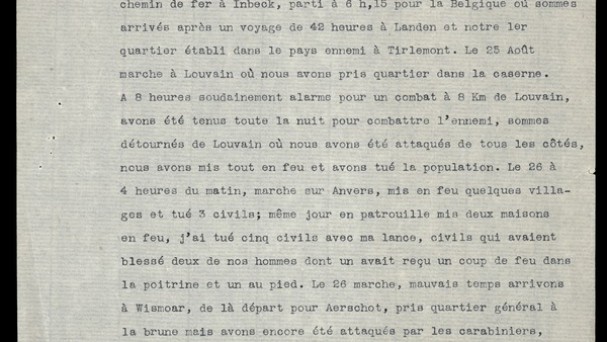
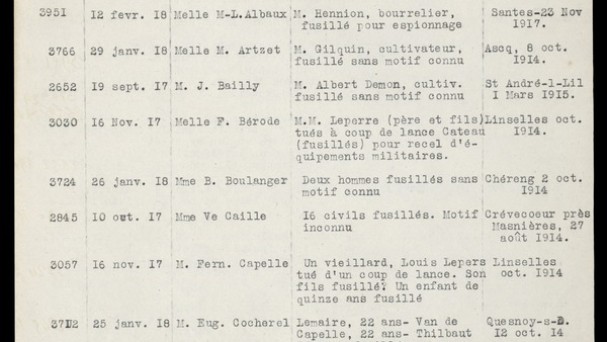
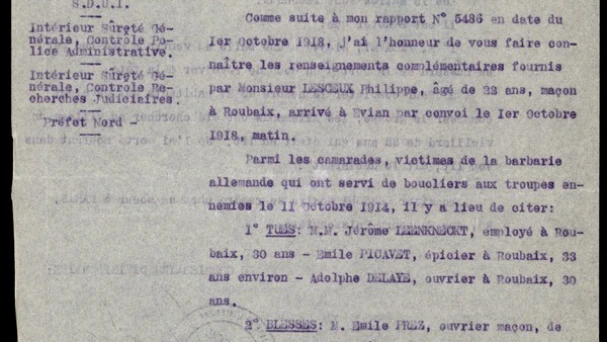
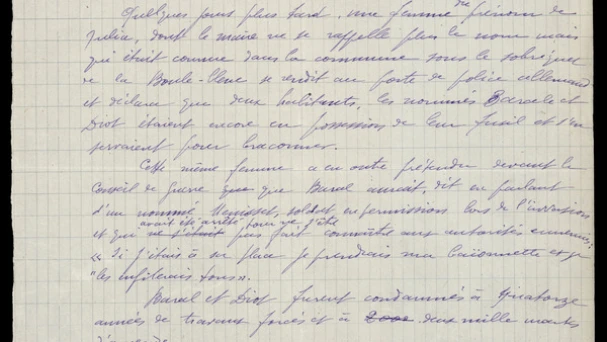
Ill-prepared, subject to demands which were difficult to meet and submerged by rumours of ambushes organised by civilians who had remained behind the front line, the German troops resorted to committing atrocities in Belgium and later in France, such as in Liège, Dinant and Leuven. The subject of atrocities immediately sparked outrage and gave rise to investigations and counter- investigations during the war itself and during the inter war period by the warring countries. The war had to be justified. Thus, elite German scholars expressed their support of the war in a letter baptised the Manifesto of the 93.
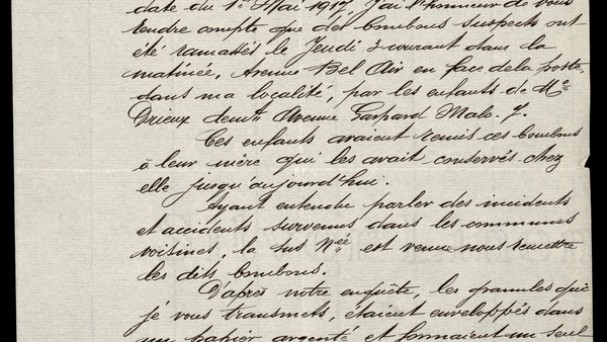
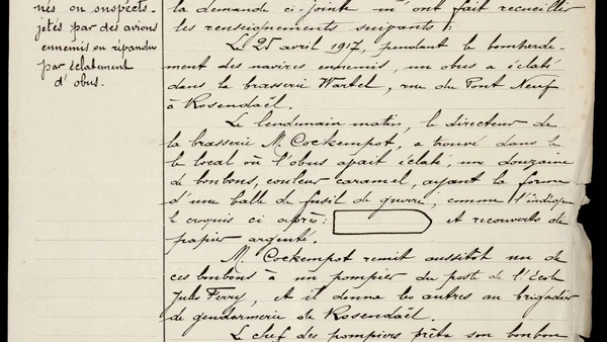
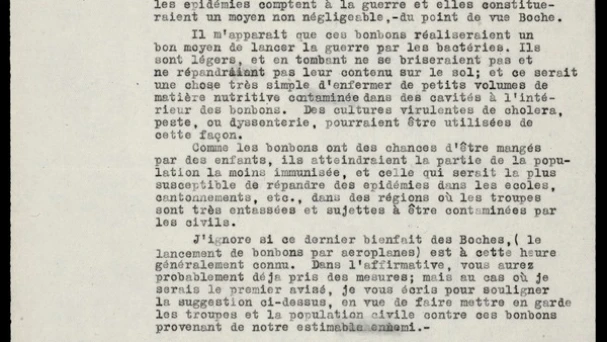
German atrocities, particularly those perpetrated during the first weeks of the war, led to unfounded rumours: the mutilation of victims, poisoned sweets handed out to children or dropped by aviators…They contributed to a radicalisation of the war and a demonising of the enemy.
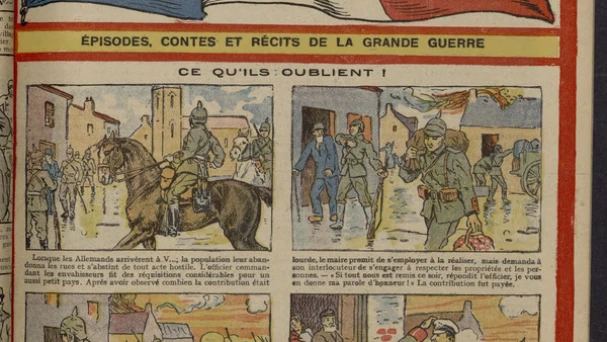
Allied propaganda used the German atrocities, either authentic or invented in nature to foster a war culture.