


-
 Accueil
>
Accueil
>
- 1914, the terrible year >
- Life at the front >
- Shot to serve as an example


Shot to serve as an example
Following the Charleroi defeat, the French troops withdrew in a disorderly fashion. The General Staff feared widespread panic, which could have led to the defeat of the French army. At the start of September, General Joffre decided to stop the German army on the Marne.
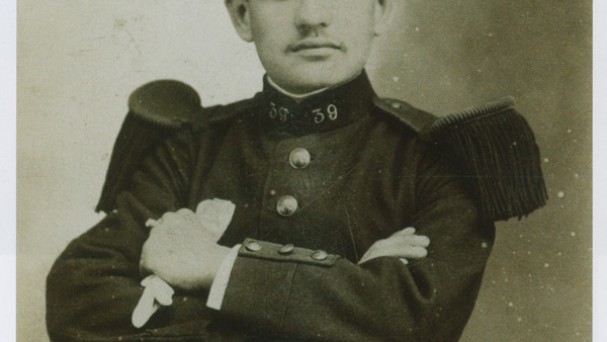
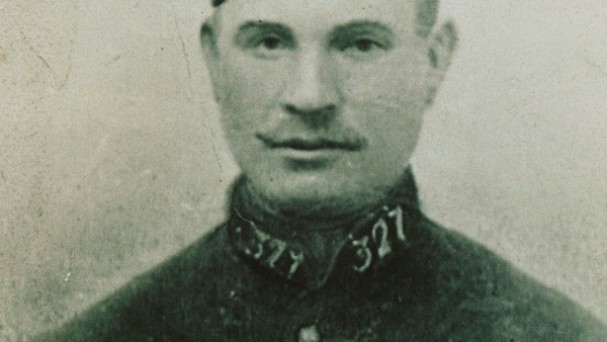
It was in these circumstances that on September 6, 1914 the 327th infantry regiment was obliged to dig foxholes near Les Essarts-lès-Sézanne in the Marne. During the night, the troops suffered an attack by German autocannon. The troops fled in complete chaos.
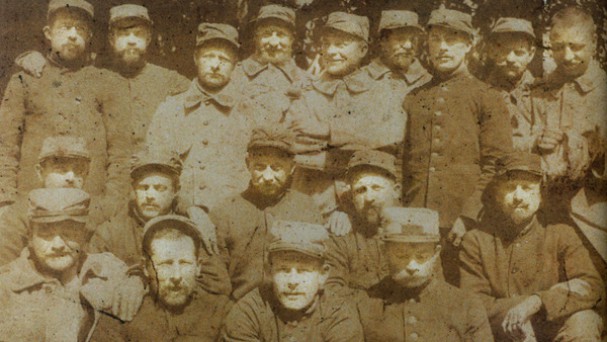
General Boutegourd, awoken by the bombardment and by the stampede came across a group of eight men, one of whom managed to escape. The seven others were arrested and faced a firing squad on September 7 at 8:30am.
Originally a colonial troops officer, the Brigadier-general, placed through circumstance at the head of a division, General Boutegourd demonstrated unbending intransigence. Despite the intercession of several officers in favour of the arrested soldiers, Boutegourd maintained the execution order. He clearly aimed to prove his ability to command, something which was seriously challenged during the war.
The seven executed men were from the Nord and Pas-de-Calais departments: Alfred Delsarte (Fresnes-sur-Escaut), Gaston Dufour (Rumegies, Maulde), Gabriel Caffiaux (Bermerain), Palmyre Clément (Château-L’Abbaye), Eugène Barbieux (Saint Amand), Désiré Hubert (Trith Saint Léger) and François Waterlot (Montigny-en-Gohelle). Miraculously, François Waterlot survived the execution and returned to service. He died on the front line on June 10, 1915.