


-
 Accueil
>
Accueil
>
- 1914, the terrible year >
- The invasion >
- The fall of Lille






The fall of Lille
In 1914, Lille was still surrounded by fortifications, built in the 1860s following the extension of the city. These fortifications had been rendered redundant by the invention of the shell torpedo, which could pierce perimeter walls. In 1912, the stronghold was downgraded, yet the fortifications remained in place. Unlike Maubeuge, the city was not part of the defence system, which was composed of a series of forts built in the surrounding area. On August 1, 1914, Lille was declared an open city, meaning it would not be defended.
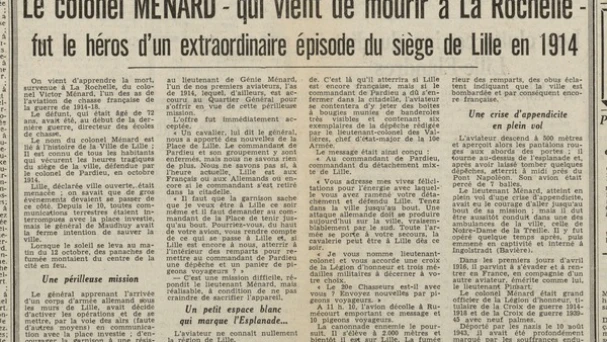
First abandoned on the orders of the General Staff by General Percin, the city was eventually defended by colonel de Pardieu, at the head of a territorial and a cavalry regiment, an almost impossible task.
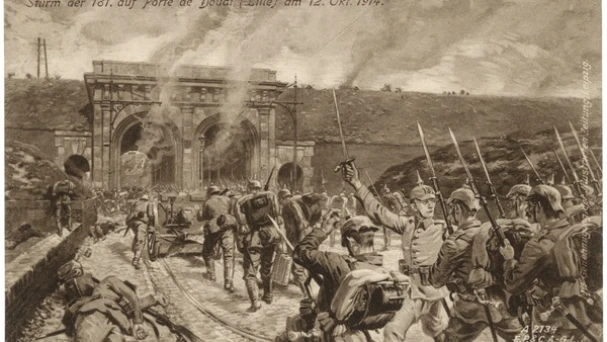
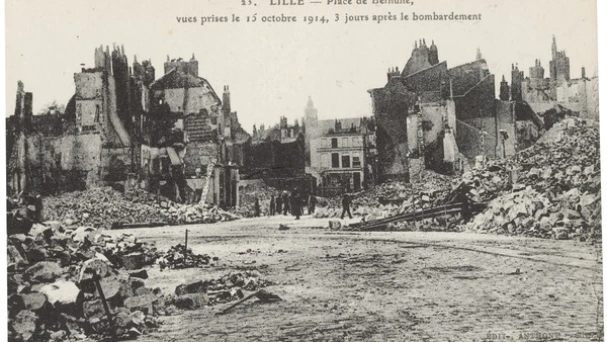
On October 4, bombing of the city began. The Germans invaded the fort from the south. Lille surrendered on October 13, 1914.
For the Germans, the fall of Lille had more of a symbolic meaning than an economic or military one. It was the main city which was occupied throughout the entire length of the war. German propaganda post cards depicted an idealised war with disciplined troops, fair hand to hand combat and frightened colonial troops …This message was aimed at troops to the rear and glorified the army.
For the city, the conquest was extremely traumatic. Well before the end of the war, the responsibility for the fall was the subject of controversy. The authorities in Lille wanted to remove any doubt hanging over them and the local people: no they hadn’t cowardly requested that Lille be abandoned. This, on the contrary had been carried out under questionable circumstances by General Percin.