Document précédent Document suivant
Cliquez pour zoomer dans l’image
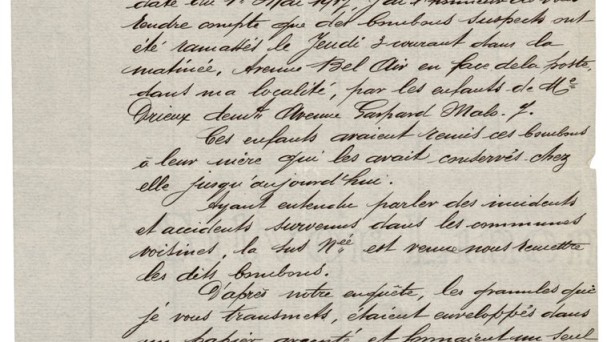
Rapports sur les crimes allemands : bonbons empoisonnés jetés par les aviateurs, rapport du commissaire de police de Malo-les-Bains (mai 1917), AdN - 9 R 910
Cliquez pour zoomer dans l’image
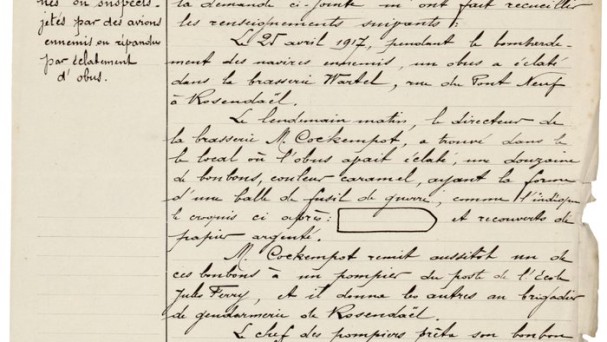
Rapports sur les crimes allemands : bonbons empoisonnés jetés par les aviateurs, rapport du commissaire de police de Rosendaël (2 mai 1917), AdN - 9 R 910
Cliquez pour zoomer dans l’image
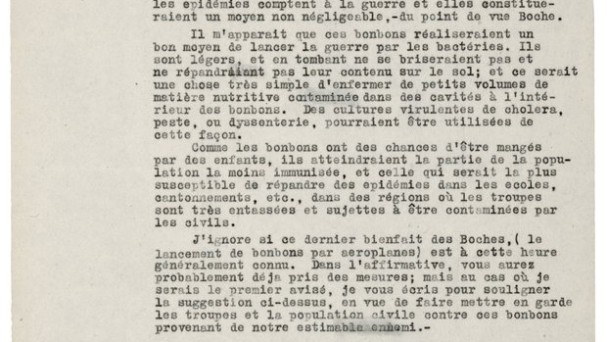
Rapports sur les crimes allemands : bonbons empoisonnés jetés par les aviateurs, rapport sur les bonbons empoisonnés, analyse chimique (17 février 1917), AdN - 9 R 910
Cliquez pour zoomer dans l’image
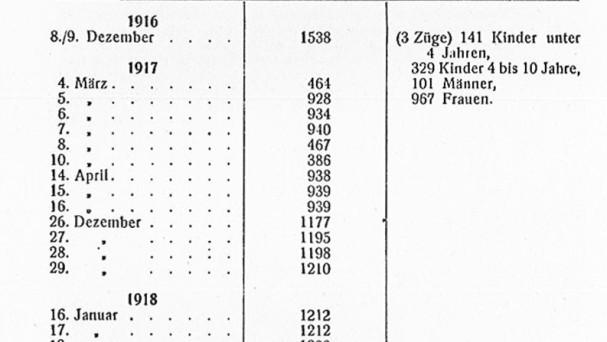
Fritz Herms, "Aperçu sur l’évacuation des habitants de Lille vers la France non occupée", Lille vergewaltig ?, Annexe 26, Berlin, 1920, BM Lille
Cliquez pour zoomer dans l’image
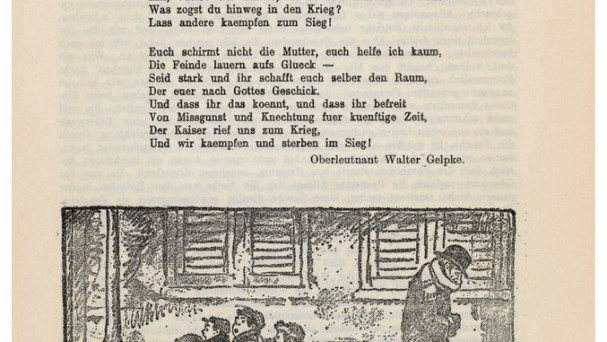
“Jung-Frankreich in Lille”, Lillerkriegszeitung, Eine Auslese aus Nummer 1-40, mai 1915, AdN - document non coté
Cliquez pour zoomer dans l’image
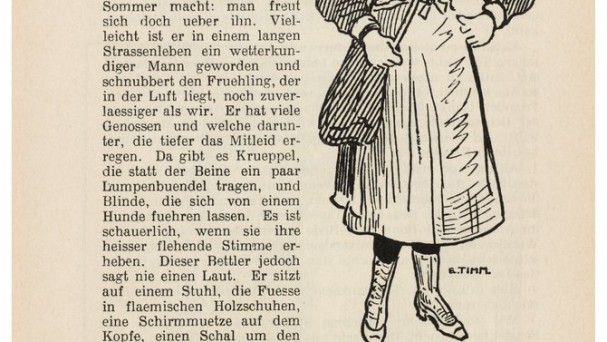
Der Wirten Töchterlein : Nix Brot, monsieur ?, Lillerkriegszeitung, Sommerlese 1916, août 1916, AdN - document non coté
Cliquez pour zoomer dans l’image
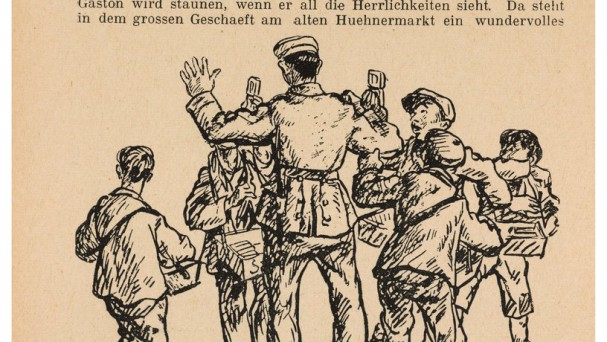
Savon, Savon, Monsieur ! Savon is gutt, Lillerkriegszeitung,Sommerlese 1917, août 1917, AdN - document non coté
Cliquez pour zoomer dans l’image
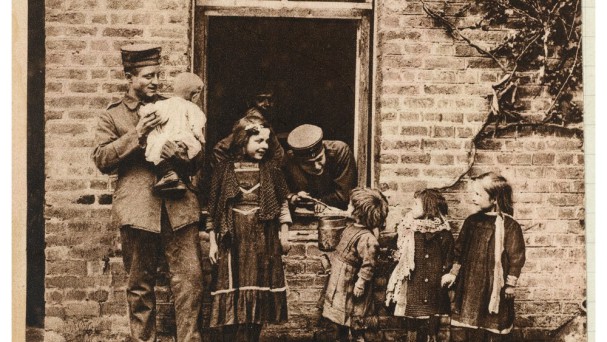
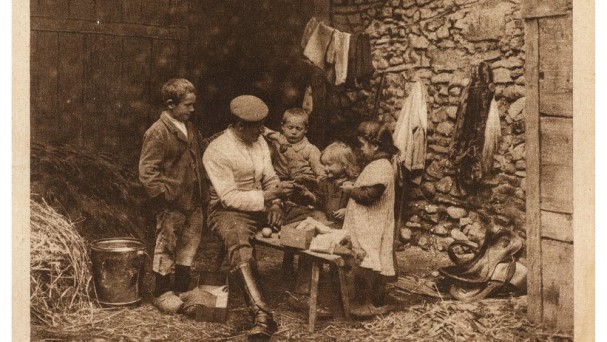
« Soldats allemands avec les enfants de leur quartier français », extrait de La Gazette des Ardennes, dans Notes et impressions quotidiennes d’un « occupé » occupé par M. Blin, instituteur à Roubaix en retraite, cahier 8 (27 mai 1917), AdN - 74 J 225
Cliquez pour zoomer dans l’image
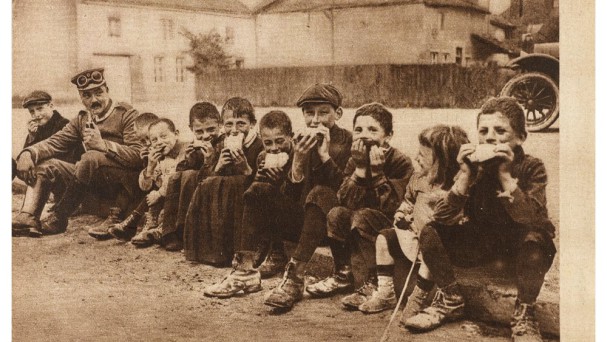
« Bons camarades », dans Notes et impressions quotidiennes d’un « occupé » occupé par M. Blin, instituteur à Roubaix en retraite, cahier 8 (27 mai 1917), AdN - 74 J 225
Cliquez pour zoomer dans l’image
« D’après la légende, bon appétit », dans Notes et impressions quotidiennes d’un « occupé » occupé par M. Blin, instituteur à Roubaix en retraite, cahier 8 (27 mai 1917), AdN - 74 J 225

Children and Germans in the occupied area

The way in which children were treated by the occupying Germans is difficult to assess as they were the focus of a symbolic over-investment on both sides.
For the French, they were an opportunity to demonstrate the perversity of the enemy. Myths thus arose of poisoned sweets. The fear of criminal poisoning through food goes back a very long way. One example was the cholera epidemic of 1832, when Louis Blanc reported the rumour that poisoned sugared almonds and cakes were being handed out to little girls. Sweets were also suspected of being a means used by paedophiles to lure children into their clutches. From as early as 1914, in the occupied zone parents warned their children about poisoned sweets being handed out by the Germans. The German was always presented as the devil, sharing his iniquitous perversions.
By contrast, German propaganda tried to show the German soldier as a good father and also to demonstrate that he cared for children in the occupied zone. Photographs were published showing German soldiers carrying children in their arms or chatting pleasantly with them. Similar images were also produced showing British soldiers being just as attentive to the wellbeing of children in the zones in France where they were stationed.
The major inquiry conducted after the War by the Academy of Lille found it difficult to reach a conclusion. It contains accounts of bullying given in minute and extensive detail, while more friendly relationships only appear as a passing sentence or an almost unconscious concession. The context of victory negatively coloured the testimonies.