


-
 Accueil
>
Accueil
>
- 1916, under German occupation >
- Children >
- The child as victim

The child as victim
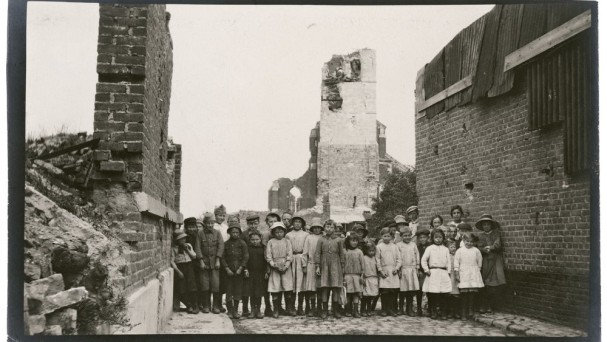
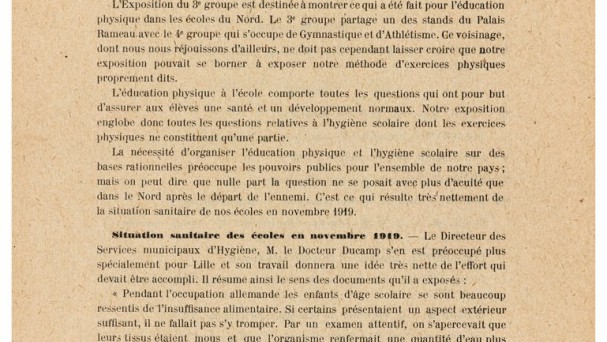
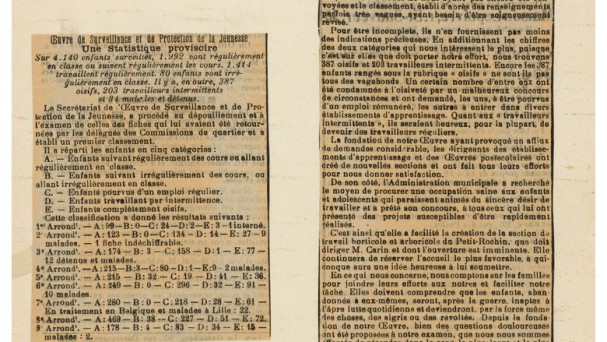
Children were the first victims of the appalling living conditions caused by the War, in the free and occupied zones alike. Studies conducted during and after the War show that the great majority of children suffered from malnutrition and the attendant physical effects. The psychological and intellectual effects were not measured. One can only make assumptions in this regard. Malnutrition is a significant impediment to intellectual development.
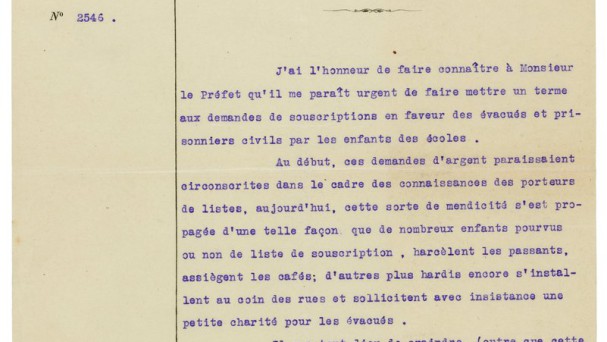
The War disrupted family life. Fathers were often absent. Those that remained suffered the dishonour of not being in combat and of submitting to the occupation. Schools functioned poorly. Teachers had been mobilised and there was a lack of staff in both the occupied and free zones. All the support structures were in disarray. The bombardments and the insecurity caused by the War are very likely to have had serious repercussions.