


-
 Accueil
>
Accueil
>
- 1916, under German occupation >
- Hostages, deportation >
- Forced labour

Forced labour
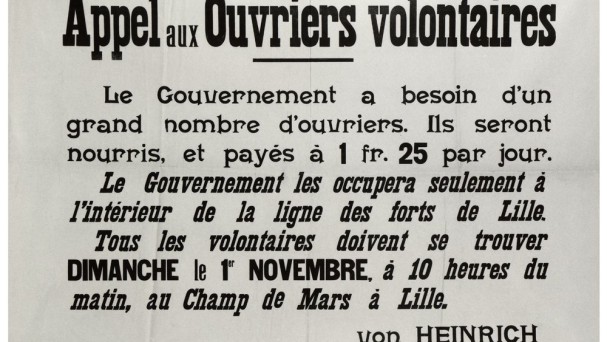
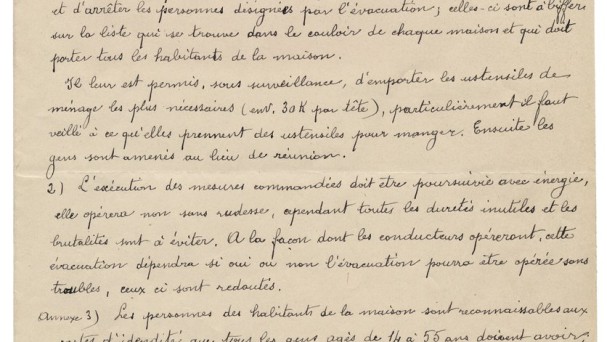
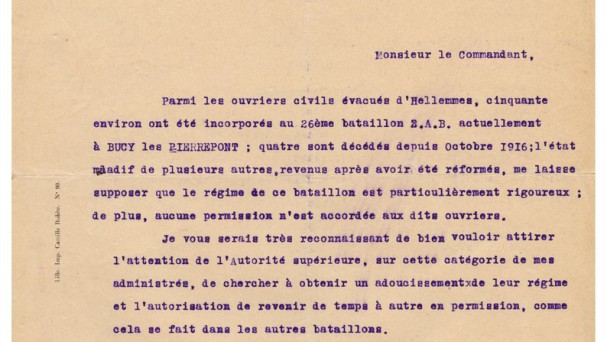
Germany was faced with a shortage of manpower due to the mass mobilisation. 740,000 workers were sent back to the factories from the end of 1914. Women and even children were requisitioned to work for the war effort. In spite of everything, the German government was forced to resort to the populations of the occupied territories. It initially introduced voluntary work and hired paid civilian workers, with free lodgings and clothing.
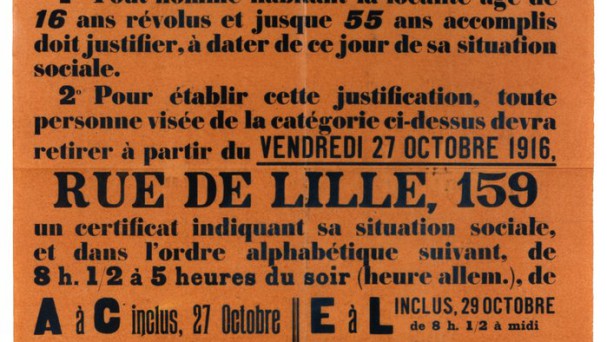
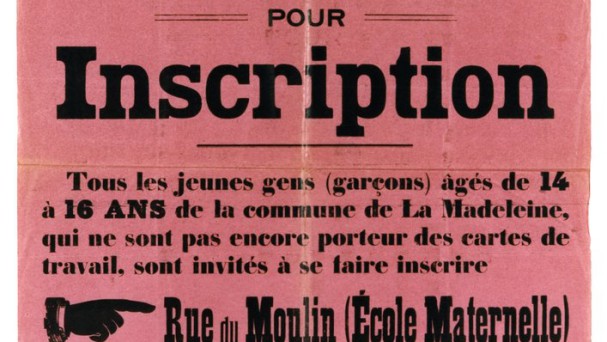
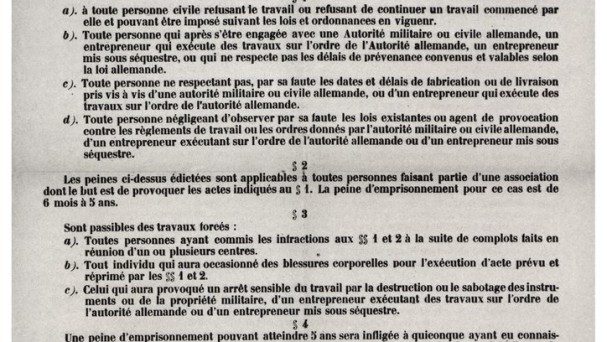
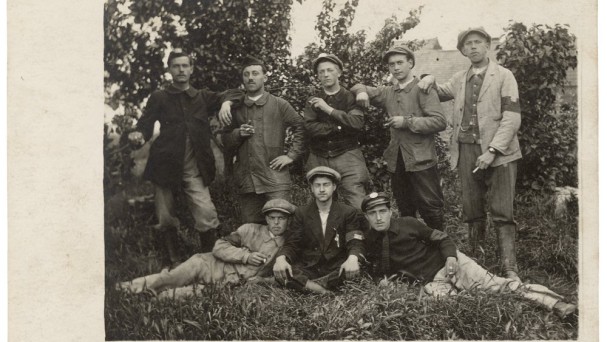
Faced with a shortage of volunteers, the Germans took a census and requisitioned all the available men between 17 and 55 years of age, who were regarded as prisoners of war and required to perform compulsory work. They were forced to sign a "voluntary" undertaking. Those who refused were sent to punishment camps where they were obliged to wear a red armband.