


-
 Accueil
>
Accueil
>
- 1916, under German occupation >
- Living conditions >
- The economic blockade of Germany

The economic blockade of Germany
The economic blockade of Germany had been decreed in 1914, but it did not become unconditional until 11 March 1915. It then constituted a real strategic option. For Winston Churchill, it was necessary to "starve the whole population — men, women, and children, old and young, wounded and sound — into submission."
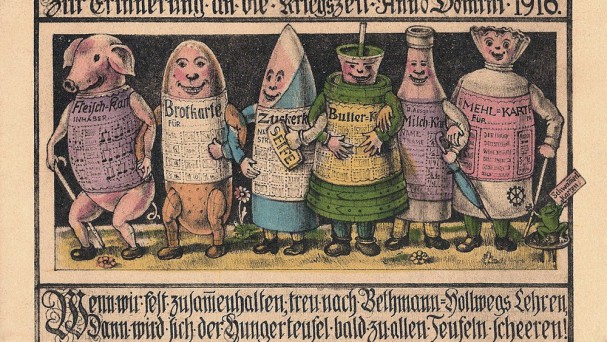
The German economy was disrupted by the War. The blockade was compounded by a shortage of manpower and a lack of political preparation and organisation. Shortages worsened throughout the War, in particular the poor potatoe harvest in the autumn of 1916. The black market and substitute products were no longer sufficient. The food ration fell to less than 1,000 calories per day and food protests and riots created a climate of division in German society which undermined the unity proclaimed in 1914.
In terms of the human cost of the blockade and food deprivation, 450,000 people died. But some historians, like Joachim Mohr, set this figure at 750,000.